November 13, 2025—Today, the worldwide ARISS team and our global family of ham radio enthusiasts are celebrating a momentous achievement—25 years of continuous amateur radio operations on the International Space Station (ISS).
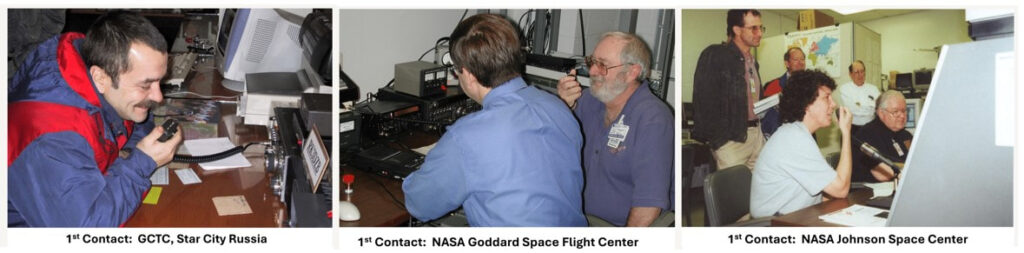
It all started 25 years ago today—November 13, 2000, only eleven days after the Expedition 1 crew took up residence on ISS. That’s when the crew turned on our ham radio system and began speaking with our teams in Star City Russia, the NASA Goddard Space Flight Center in Greenbelt, Maryland, and the NASA Johnson Space Center in Houston, Texas.
Throughout it all our volunteer ARISS team has worked side by side with space agencies and astronauts and cosmonauts around the world to develop, certify, launch and operate the systems that enable us to do what we do best–ham radio contacts that link people on earth to spacefarers in orbit.
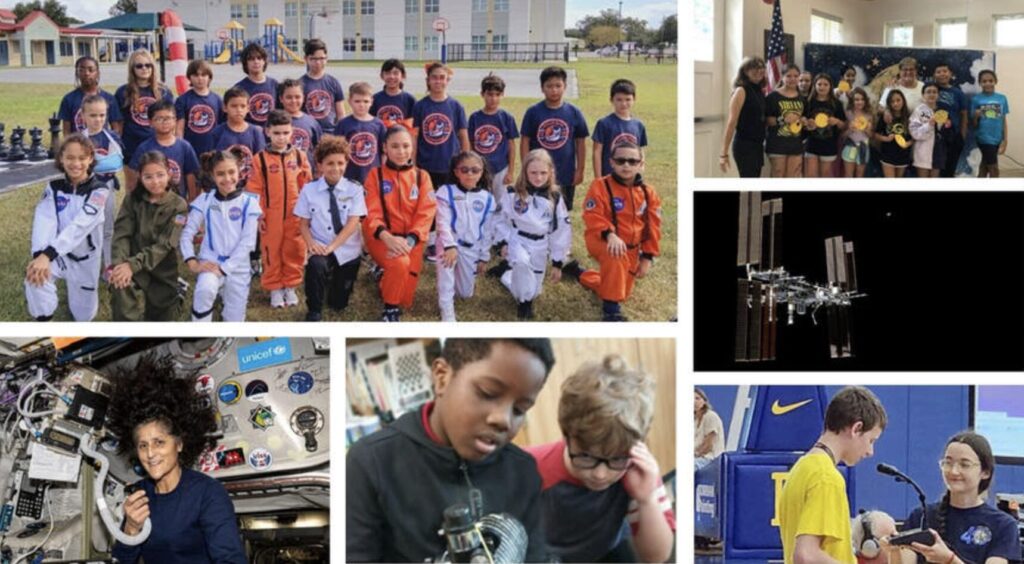
During our 25 years of continuous operations, we’ve connected 1 million kids in classrooms and informal educational settings to the ISS through nearly 1,800 ham radio contacts. It’s all about Science, Technology, Engineering and Math (STEM) opportunities. We add maximum value by working with educators to ensure that their students learn about space science, living and working in space, ISS research and radio communications. This educational element starts 4-6 months before the ARISS contact.
When the time comes for their once-in-a-lifetime radio contact with the ISS, they use an amateur radio ground station at their host organization or one of our international ground stations to talk directly to the astronauts and cosmonauts on ISS—LIVE!
Our two radio stations on ISS, one in the Columbus Module and one in the Service Module, support 24/7 communications with hams on the ground via our voice and digital repeaters in space. ARISS also provides opportunities for youth and radio amateurs to downlink pictures, called Slow Scan Television (SSTV), from ISS as well as standard Television downlinks using our HamTV system and our L/S-Band antennas.
It’s important to note that these amateur radio systems are completely independent of the ISS communications systems. Because of that, they also serve as a pivotal ISS backup communications capability. If the main ISS communications systems fail or are rendered unusable, our flight hardware and ground operations team is ready to spring into action 24/7.
As we cross the threshold of 25 years of continuous operations on ISS and look forward to many more, ARISS will begin a one-year commemoration of our achievements. We’re planning several interactive initiatives for youth, educators, ham radio operators and the public. Stay tuned to our website and social media channels (listed below) to find out what we’re planning so you can be ready to participate.
In closing, I would like to personally thank our worldwide ARISS team for their passion and dedication. Without them, none of this would be possible. I’d also like to send a special shout out to our sponsors, international space agency partners and our world-wide donors—you keep ARISS sustained and moving forward—and for that, we are grateful.
Ad Astra!
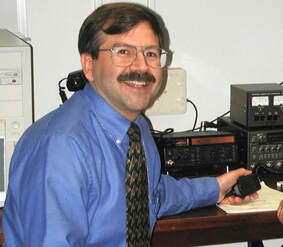 Frank Bauer
ARISS International Chair
ARISS-USA Executive Director
For the latest updates on school contacts and other exciting ARISS news, please check out and follow our ARISS Facebook, X and Instagram social media feeds.